Pre-Apprenticeships & Apprenticeships
Building pipelines from high school straight into California's earn-and-learn economy.
CCCA Works! is developing pre-apprenticeship and apprenticeship programs. At present we have a Pre-Apprenticeship agreement with the International Brotherhood of Electrical Workers (IBEW) and are in discussions with many other organizations — including NextGen Policy and the Department of Apprenticeship Standards (DAS) — to create pipelines from high school straight into apprenticeships. We know that paid internships are a critical step in creating that pipeline.
Since 2018 California has made a significant turn toward expanding traditional and non-traditional apprenticeships.
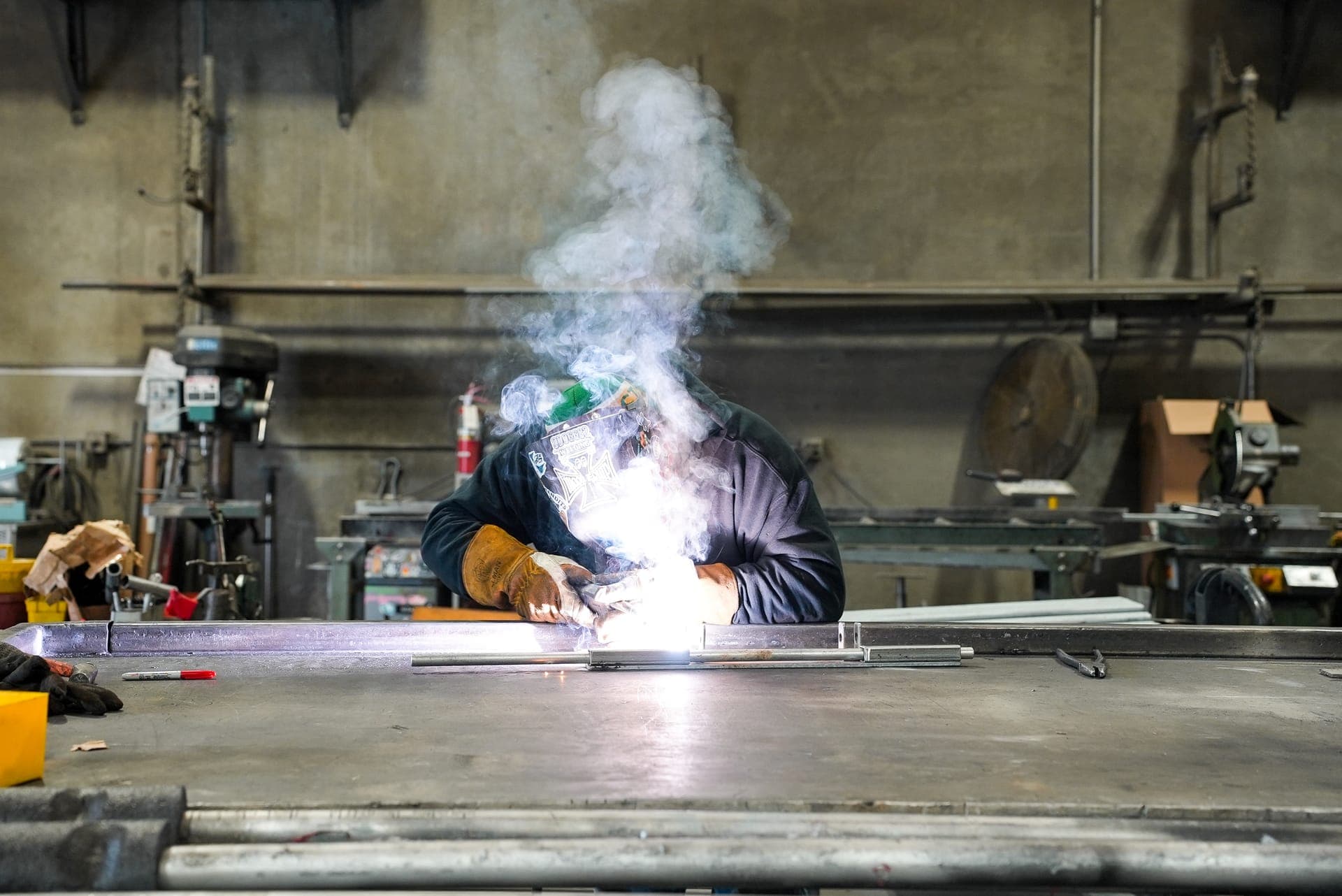
Earn While You Learn
From high school straight into the trades.
Pre-apprenticeships turn hands-on training into a debt-free path to a skilled career.
How We Got Here
California’s Apprenticeship Expansion Since 2018
The Catalyst: The “500,000 by 2029” Goal (2018)
The modern era of California’s apprenticeship push began when Governor Gavin Newsom took office. Facing stark income inequality and a shifting economy, his administration identified “earn-and-learn” pathways as a primary strategy for economic mobility. The state set an ambitious, nation-leading target to expand its apprenticeship ecosystem to serve 500,000 active apprentices by 2029 — a target it surpassed early, crossing over 670,000 total earn-and-learn opportunities.
Structural Evolution: Expansion Beyond Construction (2019–2022)
Historically, over 80% of California apprentices were in the building trades. To scale the system, the state pivoted toward “non-traditional” sectors. The California Apprenticeship Initiative (CAI), spearheaded by the California Community Colleges Chancellor’s Office, poured tens of millions into new debt-free pathways. Between 2018 and 2024, registered apprenticeships grew by 473% in advanced manufacturing, 400% in healthcare, and 45% in IT.
Policy Alignment: The Five-Point Action Plan (2022)
Realizing existing infrastructure couldn’t support half a million apprentices, the Department of Industrial Relations (DIR) and the Division of Apprenticeship Standards (DAS) released a Five-Point Action Plan. It formalized the modern framework by supporting regional and industry intermediaries (like the LAUNCH Apprenticeship Network), smoothing state registration for non-traditional industries, and centering equity to recruit more women, people of color, and foster youth.
Massive Funding and Institutional Integration (2023–2025)
The movement shifted from pilot programs to a deeply funded, institutionalized mandate. Apprenticeship Innovation Funding (AIF) gave continuous support grants to non-traditional program sponsors. The Master Plan for Career Education integrated apprenticeships into the state’s core educational blueprint, connecting high schools, community colleges, and local industries. Targeted grants like the California Opportunity Youth Apprenticeship (COYA) intentionally built pre-apprenticeships for disconnected or unhoused youth.
Current State: The Multilateral Workforce Strategy
The movement has evolved from “on-the-job training for trades” into a comprehensive regional economic strategy. Under the state’s Jobs First Initiative, apprenticeship programs are tied directly to regional economic priorities — clean energy in the Inland Empire, cybersecurity in Sacramento, biotech in the Bay Area. By using community colleges as academic backbones and reimbursing employers for training costs, California has turned apprenticeships into a competitive alternative to the traditional college-to-career pipeline.
Partner With Us on the Future of Apprenticeships
To partner with us on the development of pre-apprenticeship and apprenticeship programs, please reach out.